



Read the report

Our brains on a changing planet

Climate change is reshaping brain health through heat, air, weather, water, nutrition, and disease vectors. A new report from the Neuro Climate Working Group presents the state of the science and the blind spot it leaves in climate policy.

A thinking organ in a shifting climate

Climate change is a defining health challenge of the 21st century. Its effects on the heart, the lungs, and the immune system are fairly well recognized. Its effects on the brain are not.

Brain health spans neurological function, cognition, mental health, and neurodevelopment: ultimately, the foundations of human relationships, creativity, productivity, and wellbeing. Despite this central importance to human flourishing, climate policy and risk assessment have largely overlooked the brain.

This page introduces findings from a new report by the Neuro Climate Working Group, a collaborative network of 500+ neuroscientists, clinicians, and public health and policy experts. The report synthesizes the state of the science, identifies knowledge gaps, and offers a research and action agenda to protect brain health in a changing climate.

Highlights

Excessive heat impairs cognition, neurological function, mental wellbeing, and sleep, raises the risk of neurological diseases and self-harm, and is associated with an increase in emergency department visits for numerous psychiatric disorders.

Extreme weather events bring injury, trauma, displacement, disrupted care, and chronic stress, with neurological and psychological consequences outlasting disasters years after they arrive.

Air pollution increases the risk of stroke, neurodevelopmental disorders, neurodegeneration, and cognitive decline, and is estimated to contribute to roughly one in four dementia deaths worldwide.

Food insecurity impairs brain development, cognition, and mental well-being, with the most severe impacts occurring in the critical first 1,000 days of life, perhaps the most important neurodevelopmental period.

Soil and water contamination raise exposure to arsenic, pesticides, plastics, and heavy metals like lead and mercury: all neurotoxicants that act on neurological development and function across the lifespan.

Vector-borne diseases trigger both acute and chronic neurological complications, from encephalitis to lasting cognitive decline, as climatic shifts extend the habitable range of the insects that carry them.

Lifelong and intergenerational effects can stem from exposures before birth and in early childhood. Repeated exposures accumulate, and harm can pass to the next generation via epigenetic mechanisms.

Unequal burdens fall on children, pregnant women, older adults, people with neurological or mental health conditions, Indigenous Peoples, and displaced populations. These groups often face the greatest exposures yet possess the fewest resources to adapt.

The Neuro Climate Framework introduced here links climate change to brain health through three interconnected pathways: biological, psychological, and social-structural. The pathways compound, and interventions targeting only one often fall short.

A blind spot in climate policy leaves brain health unaddressed by today’s climate-health systems. Only 3% of nationally determined contributions mention mental health, and 0 of 160 national adaptation policies address children’s mental health.

A research agenda offered below names priorities for the next chapter of work: mechanisms, exposure interactions, pre-birth cohorts, data where the brain-health burden is greatest, and protective factors.

An action roadmap illustrates brain-health-protective policies at every scale of governance. There’s a role for everyone here, not least because many mitigatory and adaptive climate-policy measures also protect the brain.

A window for action is opening: between NDC 3.0 implementation, the IPCC’s Seventh Assessment health chapter, and the Belém Health Action Plan, several near-term opportunities exist to write brain health into climate policy, planning, and implementation.

01

Excessive Heat

The temperature-dependence of a thinking organ.

  • Neurodevelopmental
  • Neurodegenerative
  • Mental health
  • Other neurological
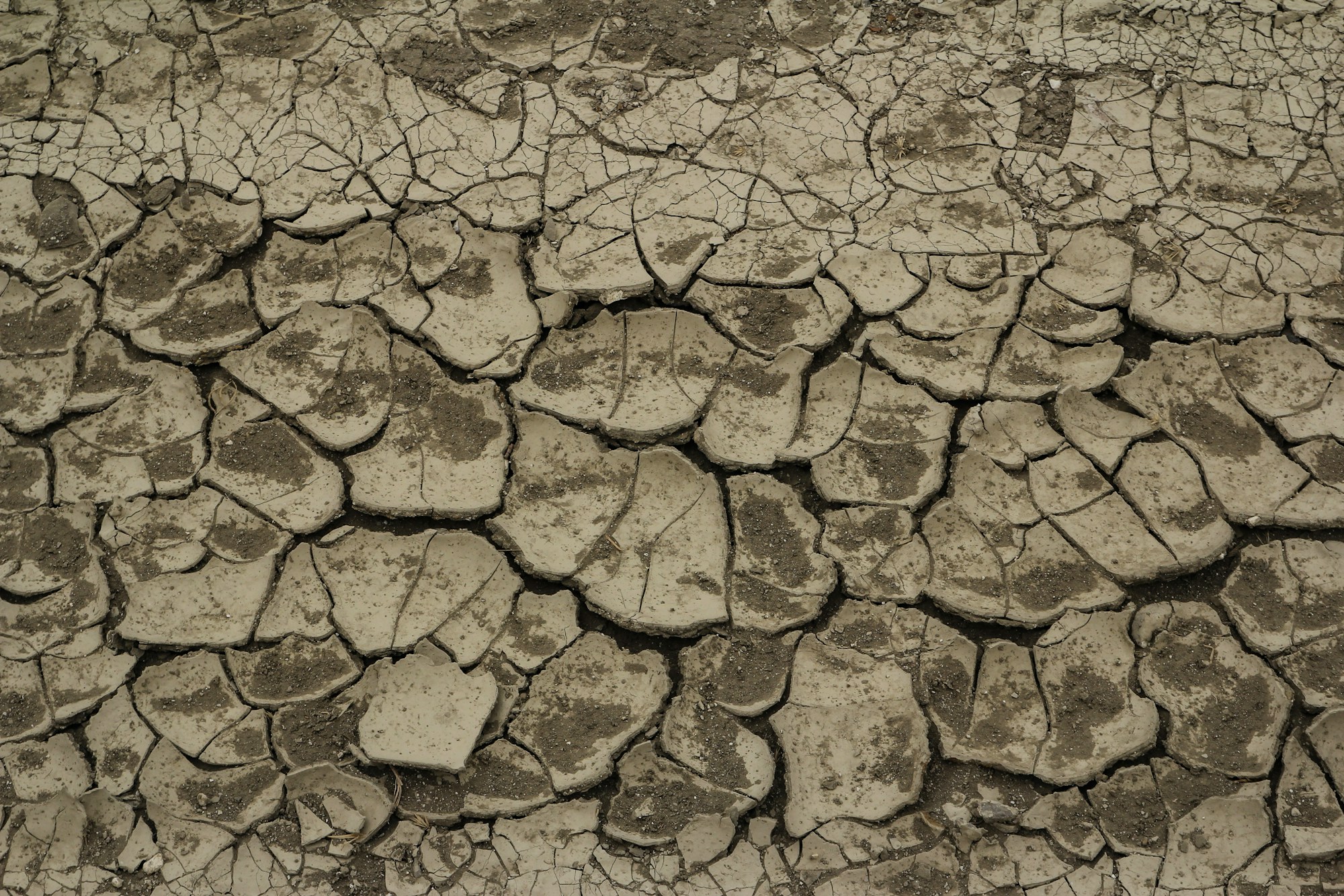
Cracked, drought-stricken earth under a hot sky.
0%
per +1°C Every 1°C above local baseline is associated with roughly a 2.2% rise in mental-health-related mortality.
0%
heat deaths, over-65s In 2024, heat-related deaths among people over 65 rose 63% above the average per year in the 1990s.
3–4%
class-size change 30 additional days above 26.7 °C offsets the learning gains of reducing class sizes by approximately 3–4%.

Climate change is raising average global temperatures and lengthening the heat waves that punctuate them. The brain, an organ assembled from temperature-dependent biology, is among the first systems to feel it.

Failure of thermoregulation at core temperatures above 40°C brings heat stroke, circulatory collapse, and seizures. Across animals, heat induces neural-circuit “crashes” akin to seizures and stroke, a direct consequence of the intrinsic temperature dependence of biological processes.,

Heat exacerbates existing neurological disorders (stroke, migraine, Alzheimer’s disease, epilepsy, multiple sclerosis) and raises hospital admissions for each., Modeling studies predict a rising burden of Alzheimer’s, other dementias, and Parkinson’s as warming continues.

The mind moves in step with the mercury. Every 1°C-increase is associated with a 2.2-percent rise in mental-health-related mortality; emergency-department visits climb for mood, anxiety, substance-use, and psychotic disorders, as well as for self-harm., Some psychiatric medications impair thermoregulation.

Prolonged heat erodes attention, executive function, and mental acuity., Judges issue harsher verdicts; workplaces shed productivity; impulsivity, aggression, and crime tick upward.,

Neuroscientists believe these effects arise because heat weakens the blood-brain barrier, the tightly packed layer of cells that controls molecular flow between the bloodstream and the brain. Heat also triggers neuroinflammation, oxidative stress (the build-up of unstable molecules that can damage cells), and mitochondrial dysfunction. Each of these harms is ultimately linked to the progressive loss of nerve cells known as neurodegeneration. Neuroimaging ties heat exposure in infancy to reduced myelination and white-matter maturation and disrupted functional connectivity in the adult brain.

“As a researcher and consultant, I see the built environment as our first line of defense against the health impacts of climate change. As someone living with epilepsy, that line of defense is currently failing. When urban heat islands spike, so does the physiological stress on the brain, lowering seizure thresholds and compromising neurological safety.”
Jessie Buckle Inclusive research and design specialist; PhD candidate in architectural design
02

Extreme Weather Events

Trauma that outlives the storm.

  • Neurodevelopmental
  • Mental health
  • Intergenerational
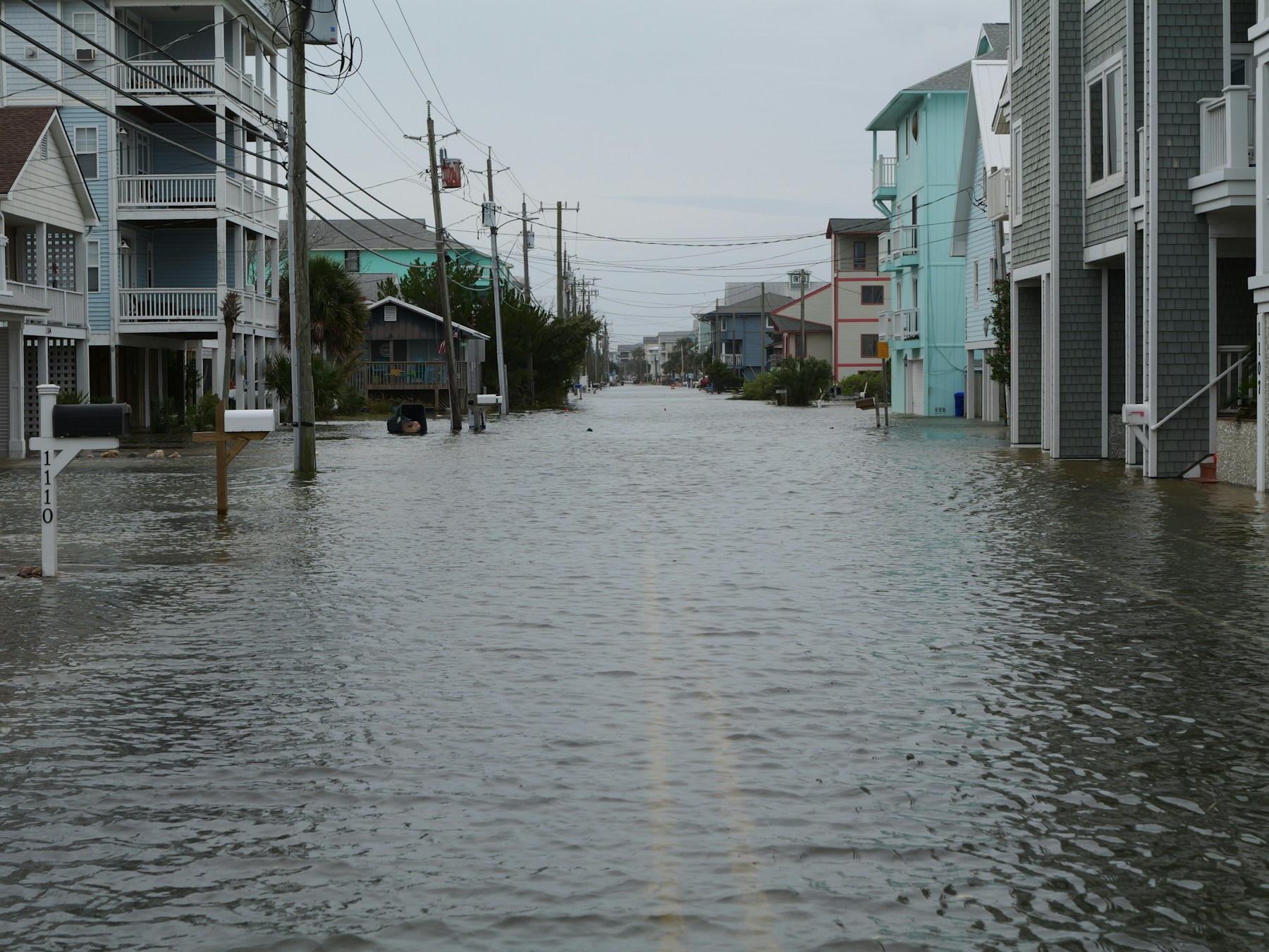
A residential street submerged by floodwater.
0M+
Californians, wildfire 2011–18 Over 7 million Californians affected by wildfires between 2011 and 2018 saw rising prescriptions for antidepressants, anxiolytics, and mood stabilizers.
6–12 mo
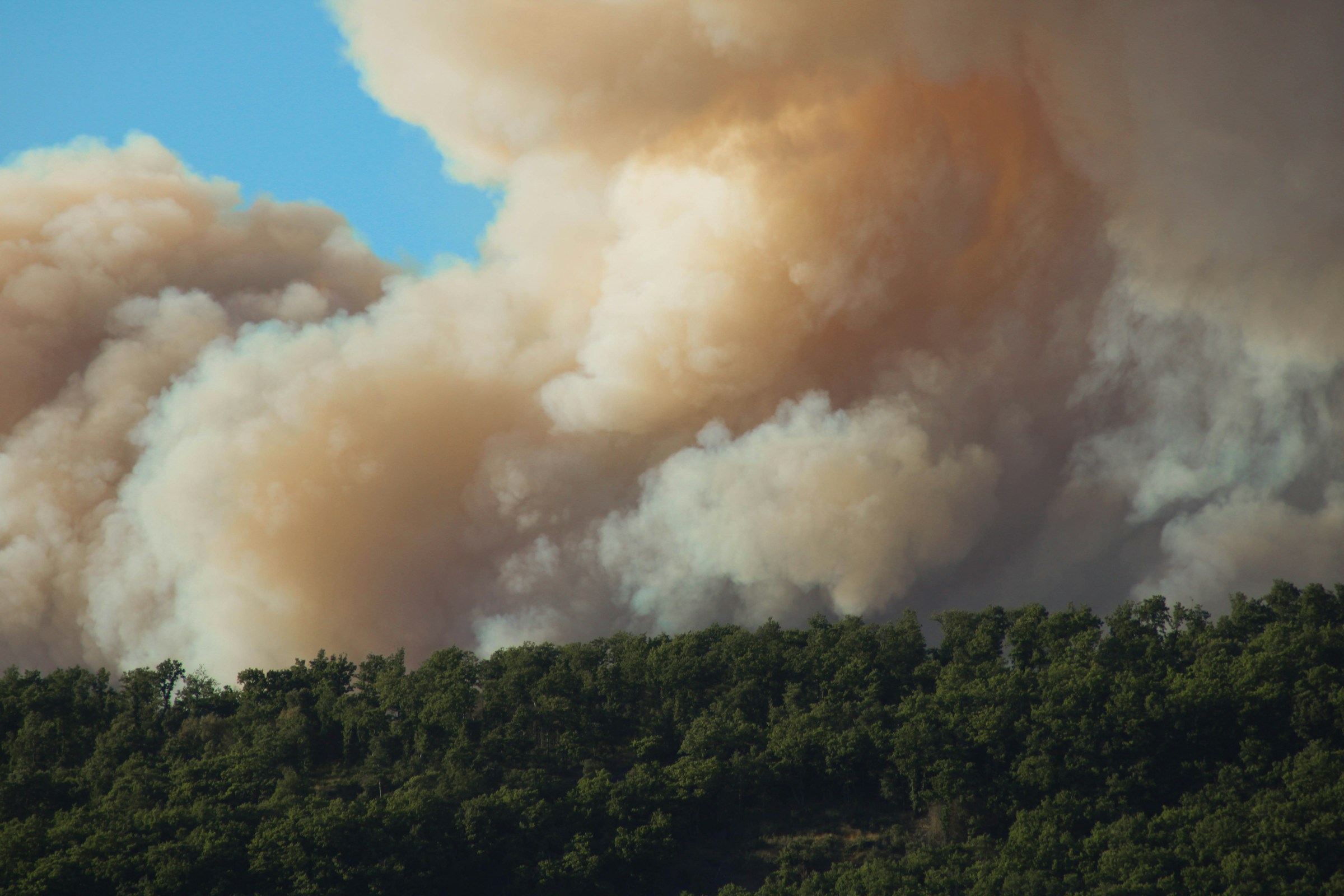
after the fire Interference-processing deficits and heightened frontal brain activity persisted 6 to 12 months after wildfire exposure.

Droughts, floods, hurricanes, and severe storms are growing in frequency and intensity across much of the world. Their reach extends past property and into the nervous system.

Extreme fluctuations stress the brain’s resilience processes, raising the risk of stroke, epilepsy, Parkinson’s disease, and multiple sclerosis., Flooding ushers in water-borne disease (leptospirosis, shigellosis, hepatitis A), which can have severe neurological complications. The disruption of care accelerates decline for those with neurodegenerative conditions and ultimately hits hardest where resources are thinnest.,

Furthermore, the psychological toll compounds through trauma, displacement, financial ruin, and the loss of community and continuity. Floods and typhoons are linked to long-term mental disorders in survivors; disasters can spur anxiety, depression, and post-traumatic stress disorder (PTSD). After California’s deadliest wildfire, researchers documented chronic mental-health harm; more than 7 million Californians saw statistically significant increases in psychotropic prescriptions.

Cognition diminishes, as well, with deficits observed in working memory, processing, flexibility, and sustained attention. Recent studies have documented how wildfires' marks on interference processing and fronto-parietal activity are still visible 6 to 12 months after the fire.

The reach extends to the unborn. In-utero storm exposure is associated with altered amygdala, caudate, and hippocampus structure, as well as with shifts in placental gene expression tied to infant temperament. PTSD from climate disasters also appears to have a neurobiological signature distinct from other trauma.

“Our research has quantitatively shown that wildfires drive community-wide climate trauma: nearly a third of the impacted community can experience symptoms of PTSD, anxiety and depression, alongside cognitive impacts on attention and decision-making.”
Jyoti Mishra, PhD Associate Professor in Psychiatry, University of California San Diego
03

Air Pollution

The particles that cross into the brain.

  • Neurodevelopmental
  • Neurodegenerative
  • Mental health
  • Intergenerational
  • Other neurological
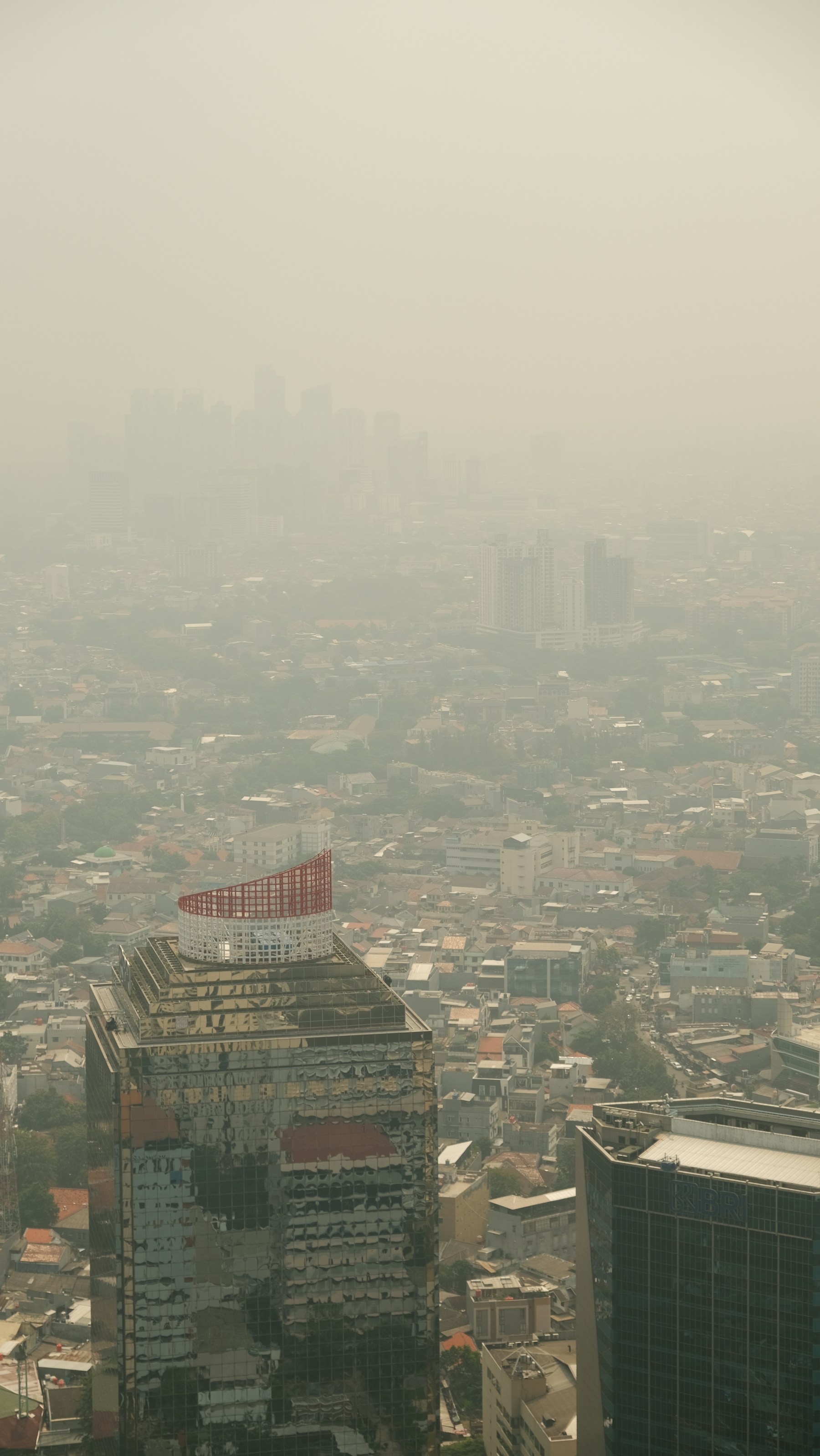
A city skyline obscured by dense smog.
0M
deaths / year Air pollution is the number one risk factor for health loss worldwide and the second-leading risk factor for death, linked to 7.9 million premature deaths annually.,
0%
stroke risk / 10µg Ischemic-stroke risk rises 13% for every 10 µg/m³ of PM2.5.
0%
dementia / 1µg Dementia risk rises about 3% per 1 µg/m³ increase in PM2.5.
1 in 4
dementia deaths, air pollution In 2023, air pollution was linked to roughly 626,000 dementia deaths worldwide, more than one in four (29%) of all dementia deaths.

Air pollution and climate change form a reinforcing cycle: Many pollutants warm the planet, and heat and wildfire smoke degrade the air in return. The brain pays across the life course.

Ultrafine particles, PM2.5, nitrogen oxides, and polycyclic aromatic hydrocarbons harm the central nervous system. In utero, exposure is linked to neural-tube defects and altered brain structure., In older adults, PM2.5 accelerates brain aging and dementia risk, is worst where socioeconomic inequality is highest, and raises hospitalizations for stroke, Parkinson’s, and Alzheimer’s.,

Prenatal PM2.5 is tied to later psychotic and depressive symptoms in youth; early exposure to particulates, ozone, and heavy metals is tied to neurodevelopmental disorders.,, Repeated exposure raises the risk of schizophrenia, depression, anxiety, and suicide.,

Cognition suffers most in children and older adults., In high-PM2.5 neighborhoods, children’s working-memory development is delayed.

The route runs through inflammation. Fine particulate matter drives systemic inflammation that disrupts the blood-brain barrier, activating immune responses in astrocytes, microglia, and neurons;, ultrafine particles can translocate directly via the olfactory nerve, bypassing the barrier and ferrying neurotoxins with them., Epigenetic changes in exposed neurons hint at effects passed to future generations.,

“As a neurologist, what concerns me most is the risk of ischemic heart disease, stroke, and dementia caused by air pollution from the burning of fossil fuels. Many physicians and patients are unaware of this association.”
Larry Junck, MD Professor Emeritus of Neurology, University of Michigan
04

Food Insecurity

The first thousand days and the fish that feed the brain.

  • Neurodevelopmental
  • Mental health
  • Intergenerational
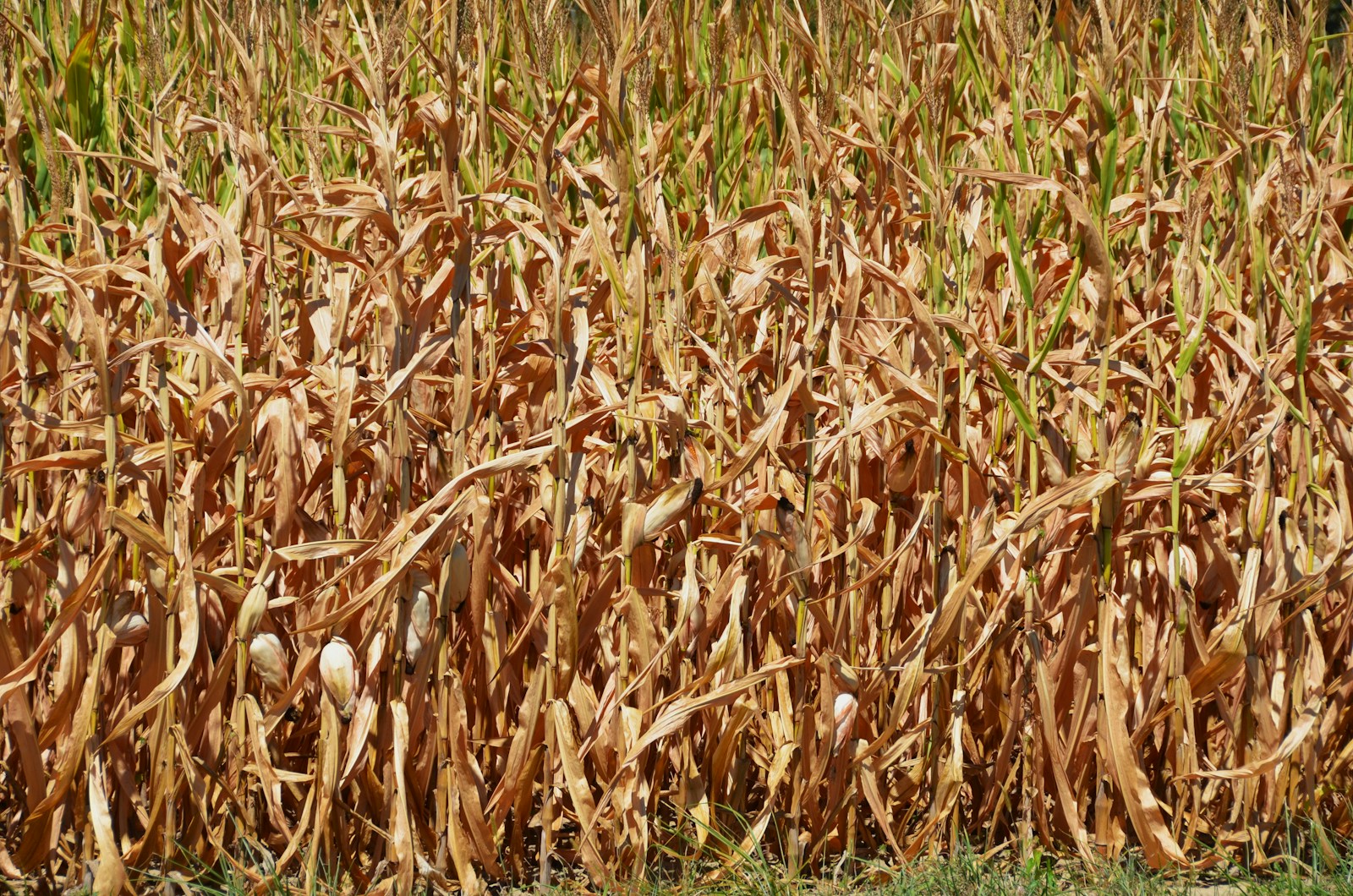
A field of maize withered brown by drought.
0bn
food-insecure, 2024 In 2024, an estimated 2.33 billion people experienced moderate or severe food insecurity.
0%
without DHA by 2100 By 2100, an estimated 96% of the global population may lack adequate access to brain-critical DHA as fish populations decline.
1,000
days that shape a brain Malnutrition in the first 1,000 days of life can leave lasting deficits in brain structure and function.,

Climate change reshapes food systems through flood and drought, ocean acidification, soil degradation, and atmospheric CO₂ that thins the nutrition in staple crops. The developing brain is the most sensitive to the shortfall.

In 2024, 2.33 billion people faced food insecurity and more than 3.1 billion could not afford a healthy diet. Iron deficiency delays cognitive development and drives behavioral problems; iodine deficiency causes brain damage and irreversible impairment. Shortfalls in the first 1,000 days leave lasting motor, behavioral, and cognitive harm,, deepening the socioeconomic disparities already written into brain development.

The microbiome-gut-brain axis helps shape neurological function, psychopathology, and cognition., In severe malnutrition, an infant’s gut microbiota (and the biochemicals it trades with the brain) diverge from the healthy pattern. Heat and pollutants disturb the microbiome, as well.

Docosahexaenoic acid (DHA, an omega-3 essential to the vertebrate brain) may grow scarce as fish populations fall. By 2100, an estimated 96% of the global population may lack adequate access, with the sharpest losses in inland Africa.

“As climate change disrupts food systems and saps the nutritional value of our crops, food insecurity deepens and diets lose the nutrients that are the building blocks of a child’s cognitive future. This damage often begins before birth, when maternal food insecurity during pregnancy can already set a child on a harder developmental path, and it deepens during the first 1,000 days of life, the very window when a child’s brain is being built.”
Lisa Patel, MD Clinical Associate Professor of Pediatrics, Stanford Children’s Health
05

Soil and Water Contamination

Neurotoxicants on the move.

  • Neurodevelopmental
  • Neurodegenerative
  • Mental health
  • Intergenerational
  • Other neurological
A polluted stream choked with algae and debris.
Pb·Hg·As
more mobile Heavy metals (lead, mercury, arsenic) grow more mobile and bioavailable as the climate shifts, leaching into groundwater and crops.,,
7–30x
microplastics in brain Microplastic concentrations in brain samples are 7–30 times greater than those in livers or kidneys.
16,000
chemicals in plastics Some 16,000 chemicals are associated with plastics; more than 4,000 are known to be hazardous to human and/or environmental health.

Droughts and floods can both spur contamination: Pesticides, pathogens, microplastics, and other toxicants flow into water when soils are degraded and destabilized. And what winds up in water and soil eventually ends up in people.

Climatic shifts drive farmers toward heavier pesticide use; more frequent and intense storms push those chemicals into water, soil, and the food chain., Wildfires and floods can also scatter asbestos, lead, and electronic waste into the environment. Even low-level lead and pesticide exposure can be irreversibly harmful in early life, with documented effects related to anxiety, depression, and mood disorders.,.

Of these neurotoxicants, heavy metals are the most well studied. Lead is known to cause neurodevelopmental delays and cognitive impairment in children; mercury drives severe behavioral and neurological disorders; a warming climate can increase the bioavailability of arsenic as it leaches into groundwater and accumulates in crops. Naturally occurring arsentic and fluoride levels also rise with declining water tables. Accordingly, we can likely consider water treatment and rainwater harvesting as brain-health interventions.,

Rising seas can also push saltwater into aquifers, and warmer, runoff-contaminated water can breed harmful algal blooms (HABs), which can produce neurotoxins like BMAA and domoic acid., Domoic acid alone is associated with memory impairment and neurological symptoms. Rising temperatures can also increase the spread and/or solubility of toxicants, and microplastics can act as carriers for organic pollutants and heavy metals. Microplastics are now accumulating in the brain itself.

Nearly all plastic is made from fossil fuels, and its production alone amounts to more than 5 percent of global greenhouse-gas emissions. Among the 16,000 chemicals associated with plastics are compounds linked to reduced IQ and neurodevelopmental disorders., Furthermore, most plastic ends up as waste, and when it’s burned, it releases the same heavy metals and other neurotoxicants discussed above that can settle in sediments and soils.

Prenatal exposure to pesticides is also linked to neurodevelopmental harm, which means the effects can reach the next generation.,

“Children on the front lines of climate change often live in communities hit hardest by pollution, so-called sacrifice zones. To protect brain development of the next generation from climate change and pollution, bold action is needed at a much larger scale on air quality, food safety, water and sanitation, sustainable production, and waste management.”
Kam Sripada, PhD Associate Professor, Norwegian University of Science and Technology
06

Vector-Borne Diseases

New maps for old pathogens.

  • Neurodevelopmental
  • Mental health
  • Intergenerational
  • Other neurological
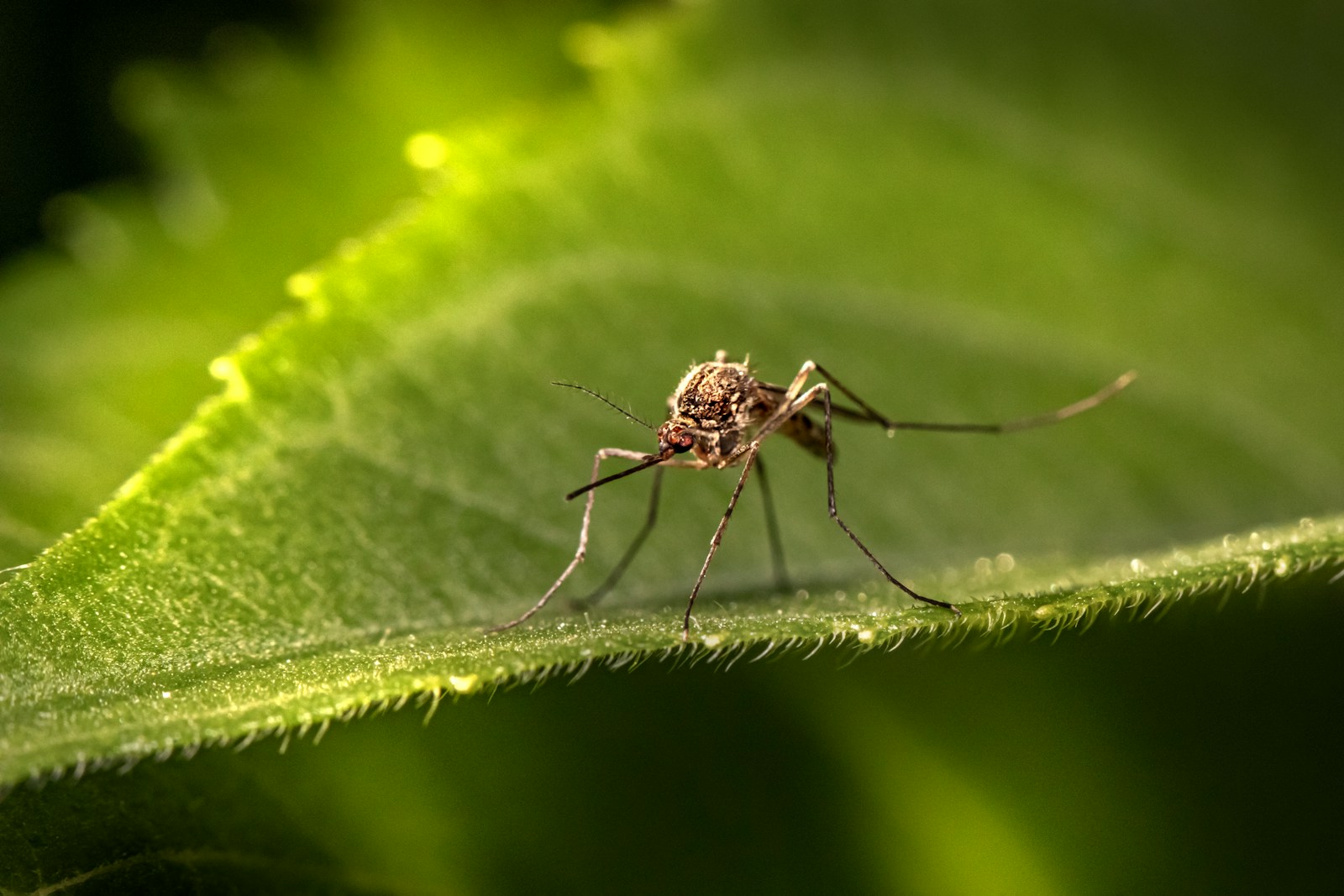
A mosquito resting on a green leaf.
0%
severe dengue cases with neuro-complications Dengue, the fastest-spreading tropical infection, causes neurological complications in up to 21% of hospitalized patients.
Aedes
expanding range Warming has expanded the range of Aedes mosquitoes (vectors for dengue, Zika, and yellow fever) into parts of Europe and North America.

Zoonotic and vector-borne diseases spread as temperature, humidity, and rainfall patterns shift the life cycles of pathogens and their carriers., A great many of them end up in the brain.

Aedes mosquitoes have pushed into Europe and North America, and changing human behavior (settlement, outdoor exposure, work) increases contact with vectors. Some diseases target the brain directly, as in Japanese encephalitis and neuroborreliosis; others reach it through complication, often by demyelinating and inflaming neural tissue.,

The catalogue is long. Dengue brings encephalitis or encephalopathy in up to 20% of cases; chikungunya brings encephalitis, neuropathy, Guillain-Barré syndrome, and lasting cognitive impairment; Zika spurs microcephaly, cortical thinning, and meningoencephalitis. West Nile: encephalitis in infants and elders. Cerebral malaria: epilepsy and cognitive deficits., Tick-borne encephalitis and Lyme: neurological and mental-health harm, sometimes long-term.,,

Six drivers, one organ

Across the lifespan and into the next generation, six climate exposures converge on the same organ, each linked to its own signature of harm.

  • Neurodevelopmental
  • Neurodegenerative
  • Mental health
  • Intergenerational
  • Other neurological
Neurodevelopmental
Neurodegenerative
Mental health
Intergenerational
Other neurological
Excessive Heat
Extreme Weather Events
Air Pollution
Food Insecurity
Soil and Water Contamination
Vector-Borne Diseases

Harm can begin before birth and compound with age; through nutrition, development, and trauma, some of it passes to the next generation.

The burden falls where the capacity to bear it is lowest

0%+

Over 60% of the world’s dementia burden falls in low- and middle-income countries, where climate risks are highest and adaptive capacity most constrained.

0M

Weather-related disasters drove 62.1 million internal displacements of children between 2016 and 2023.

These exposures do not act evenly. Dense urban environments create heat islands, and low-income groups breathe higher levels of air pollution while having less access to tree cover, green space, and quality housing.

Vulnerability is defined by the age and health of a body, by where it lives, and by whether it can afford to cool a room or leave a floodplain. Children, older adults, and populations in low- and middle-income countries bear the heaviest share.

Harms don’t arrive one exposure at a time

Brain health spans neurology, psychiatry, psychology, neuroscience, neurodevelopment, and public mental health: domains governed by separate institutions with siloed budgets. The Working Group’s integrative model maps three interconnected pathways through which climate change reaches the brain. Each cuts across multiple institutional portfolios, and a central design challenge is coordination among them.

Brain health neurology · cognition · mental health · neurodevelopment

Interventions that target only one pathway (say, cutting pollution without addressing the social determinants of exposure; or scaling mental-health services without limiting the factors that generate demand) are often structurally insufficient. Policymakers must act at the convergence.

The blind spot

Policy architecture for climate and health exists for many outcomes and at many levels of governance. Yet it is siloed, and no current system directly addresses brain health. The gap is visible even for mental health, the subdomain with the most traction.

0%
of NDCs cover mental health Only 3% of nationally determined contributions include mental health considerations.
0%
of adaptation policies silent A 2025 review of national adaptation policies found 58% do not mention mental health at all; existing coverage is typically superficial.
0
of 160 countries Across 160 countries, not a single national adaptation policy addresses children’s mental health.
$0T
annual welfare loss, mental ill-health Even before climate harms, the global welfare loss from mental ill-health is valued at about $5 trillion a year, a burden that could account for 4 to 8% of regional GDP.
0×
more variance in brain aging A 2026 analysis across 34 countries found aggregated exposome models explained up to 15.5 times more variance in brain aging than individual exposures.
$0T
heat productivity loss, 2024 Heat-related reductions in labour capacity cost $1.09 trillion in potential income worldwide in 2024, likely due in part to cognitive impairment.

The Lancet Countdown tracks 57 indicators of health and climate change, yet still lacks a dedicated brain-health outcome measure, relying on a mental-health-adjacent sentiment proxy drawn from social media. Major economic assessments, including the World Bank’s most recent assessment for low- and middle-income countries, explicitly exclude mental health.

What we don’t yet know

While the science is progressing quickly, gaps remain.

Mechanisms and interventions. Most of the current evidence base is epidemiological: that is, it shows associations. Underlying biological pathways (related to blood-brain barrier disruption, neuroinflammation, and oxidative stress, for example) are only partially characterized. And few studies assess which environmental interventions protect the brain.

Interacting exposures. Climate, environmental, and social factors interact, and their combined effects can’t be predicted by single-exposure studies. We need to look across the exposome.

The life course before birth. Studies of prenatal and preconception exposures are rare, yet children’s brains are the most vulnerable. Longitudinal studies from pregnancy into older age are needed to better understand sensitive windows and follow transmission across generations.

Data where the burden falls. Many research cohorts (and monitoring infrastructure) are based in high-income countries, and given drastically different exposure profiles, brain-health outcomes shouldn’t be compared across borders.

Frontline leadership. Research agendas and solutions must emerge from climate-vulnerable communities, with the most impacted as partners in research: from setting investigative priorities to interpreting results.

Prevention and resilience. Most studies look for evidence of harm. We understand far less about the potential benefits of the interventions that may strengthen brains under climate stress, including green space, social connection, nutrition, education, and urban planning and cultural practices.

And yet: policymaking is not starting from zero

Brain-health-protective policy can be built at every level of governance. Each action below is placed with the pathway it primarily engages, following the Working Group’s integrative model; most engage more than one, and the scales overlap.

Municipal and subnational

National

Multilateral and global

Biological

Clean air zones and low-emission districts

Cooling centers and equitable cooling access

Heat-mitigating green infrastructure and tree canopy

Air quality standards and emissions reduction

Brain health metrics in national climate vulnerability assessments

Brain-health screening and adapted clinical pathways

Mitigation commitments that reduce cumulative exposure

Health chapter of the IPCC Seventh Assessment Report

Psychological

Mental health integration in heat-health action plans

Psychological first aid and early-warning systems

Community cohesion and resilience programs

National climate-health strategies with mental health provisions

Crisis mental health intervention for climate disasters

Measurable mental health targets in nationally determined contributions

Operationalization of COP28 commitments on mental health

Operationalization of the Global Goal on Adaptation mental health indicator

Implementation of the Belém Health Action Plan

Social-structural

Environmental justice frameworks in urban planning

Prioritization of climate-vulnerable neighborhoods

Frontline representation in planning decisions

Targeted investment in underserved communities

Research capacity investment in low- and middle-income countries

Disaggregation of cognitive harms in Loss and Damage discussions and fund

Surveillance and monitoring

cross-cutting

Brain health indicators in environmental health surveillance

Psychosocial risk metrics in heat-health and adaptation plans

A Lancet Countdown brain-health outcome indicator

Cohort and exposure registry linkage

The co-benefits are already measurable

~46k
suicides prevented Analysis of China’s earlier Air Pollution Action Plan estimated it prevented roughly 46,000 suicides (95% CI 13,000–79,000) between 2013 and 2017.
0%
fewer PM2.5 deaths (EU) Stronger EU air-quality measures cut PM2.5-attributable premature deaths 57% between 2005 and 2023, meeting the Zero Pollution Plan’s 2030 target of at least 55% seven years early.

A roadmap for action

Protecting brain health in a changing climate requires coordinated action across governments, healthcare systems, researchers, educators, communities, individuals, and international organizations. While important knowledge gaps remain, many opportunities already exist to reduce climate-related risks, strengthen resilience, and promote healthier brains across the lifespan.

Policymakers
Include defined and measurable brain health provisions in nationally determined contributions, national adaptation plans, and heat-health action plans, specifying protective actions and the indicators by which progress will be tracked. Develop standardized brain health indicators and surveillance systems to monitor climate-related neurological, cognitive, and mental health outcomes, identify populations at greatest risk, and evaluate the effectiveness and co-benefits of climate adaptation and mitigation policies.
Healthcare professionals
Identify patients at increased risk from extreme heat, air pollution, environmental contaminants, food insecurity, infectious diseases, and climate-related disasters. Develop continuity-of-care plans for individuals living with neurological and mental health conditions before climate-related emergencies.
Researchers
Advance the research priorities outlined in this report through interdisciplinary, collaborative, and globally representative research. Partner with patients, caregivers, youth, Indigenous communities, and people with lived experience throughout the research process.
Schools & educators
Create learning environments that protect children from extreme heat, poor air quality, and other environmental hazards. Equip teachers and school staff to recognize heat-related cognitive, emotional, and behavioral changes in students, and to know when and how to escalate concerns to families and health services.
Communities & civil society
Steward and activate local environments: community gardens, tree planting and maintenance, greening of vacant and neglected lots, and opening cooled, filtered-air spaces in libraries, places of worship, schools, and community centers during heat waves and smoke events. Advocate for equitable environmental policies and public investments, including policies that reduce fossil fuel emissions and investments in green space, cooling infrastructure, safe housing, and clean indoor air, and hold decision-makers to those commitments once made.
Individuals & families
Stay informed about heat, air quality, and extreme weather alerts, and reduce exposure during periods of elevated environmental risk whenever possible. Check on and support family members, neighbors, and others who may be particularly vulnerable during extreme weather events and throughout disaster recovery.
People with lived experience
Share lived experiences, including those of children, youth, caregivers, and frontline communities, to help shape research priorities, healthcare, education, and policy. Participate as partners in research, advisory groups, advocacy efforts, and community engagement initiatives from project design through implementation and dissemination.
International organizations & funders
Ensure neurological and cognitive harms are disaggregated within Loss and Damage and non-economic loss frameworks, and support the operationalization of mental health and psychosocial support indicators within adaptation frameworks. Support development of harmonized brain health indicators for climate surveillance and international reporting.

An opportunity

Several near-term processes open a concrete window for action.

NDC 3.0

From planning to implementation

NDC 3.0 is moving from planning into implementation, so the priority now is monitoring progress and securing follow-up where brain health remains absent.
IPCC AR7

Brain health in global scientific coordination

The IPCC AR7 cycle offers the opportunity to incorporate brain health evidence systematically into global scientific assessment.

Belém Plan

An international adaptation instrument

The Belém Health Action Plan has put mental health and psychosocial support into an international adaptation instrument; its value depends on implementation monitoring.

Instruments are in place.

The evidence is compelling.

The case for action is complete.

Climate policy cannot be considered comprehensive if it overlooks the organ through which people learn, work, adapt, make decisions, and build resilient societies. Integrating brain health into climate policy is an imperative correction to an approach operating with an incomplete picture of how climate change affects human health.

Read more

This page distills the Neuro Climate Working Group’s 2026 State of the Science Report. The full report and its underlying evidence follow below.

Read the report

To cite: Todorova B, Chen C, Aldern CP, Matonte A, Ikiz B. The Impact of Climate and Environmental Change on Brain Health: Neuro Climate Science and Policy Report. Neuro Climate Working Group; 2026. doi.org/10.5281/zenodo.22713250

Further reading

  • Brain Health: The Blind Spot in Climate Policy. Aldern, Todorova, Massazza, Lawrance, et al. One Earth. 2026;9(9):101835. · doi.org/10.1016/j.oneear.2026.101835
  • The Impact of Climate and Environmental Change on Brain Health: Current Insights and Emerging Evidence. Todorova, Matonte, Chen, Aldern, et al. In review.

References

  • Abolhasani E, Hachinski V, Ghazaleh N, et al. Air Pollution and Incidence of Dementia: A Systematic Review and Meta-analysis. Neurology. 2023;100(2):e242–54.
  • Adalat S, Hajat S, Ikiz B. Climate change has serious implications for children’s brain health. BMJ. 2024;386:q1588.
  • Alexeeff SE, Liao NS, Liu X, Van Den Eeden SK, Sidney S. Long-Term PM2.5 Exposure and Risks of Ischemic Heart Disease and Stroke Events: Review and Meta-Analysis. J Am Heart Assoc. 2021;10(1):e016890.
  • Arias D, Saxena S, Verguet S. Quantifying the global burden of mental disorders and their economic value. eClinicalMedicine. 2022;54:101675.
  • Balbus JM, Boxall ABA, Fenske RA, McKone TE, Zeise L. Implications of global climate change for the assessment and management of human health risks of chemicals in the natural environment. Environ Toxicol Chem. 2013;32(1):62–78.
  • Beaglehole B, Mulder RT, Frampton CM, et al. Psychological distress and psychiatric disorder after natural disasters: systematic review and meta-analysis. Br J Psychiatry. 2018;213(6):716–22.
  • Ben-Shlomo Y, Darweesh S, Llibre-Guerra J, et al. The epidemiology of Parkinson’s disease. Lancet. 2024;403(10423):283–92.
  • Benevolenza MA, DeRigne L. The impact of climate change and natural disasters on vulnerable populations: a systematic review. J Hum Behav Soc Environ. 2019;29(2):266–81.
  • Binter AC, Kusters MSW, van den Dries MA, et al. Air pollution, white matter microstructure, and brain volumes: periods of susceptibility. Environ Pollut. 2022;313:120109.
  • Boccia M, D’Amico S, Bianchini F, et al. Different neural modifications underpin PTSD after different traumatic events: an fMRI meta-analytic study. Brain Imaging Behav. 2016;10(1):226–37.
  • Bolan S, Padhye LP, Jasemizad T, et al. Impacts of climate change on the fate of contaminants through extreme weather events. Sci Total Environ. 2024;909:168388.
  • Braithwaite I, Zhang S, Kirkbride JB, Osborn DPJ, Hayes JF. Air Pollution (Particulate Matter) Exposure and Associations with Depression, Anxiety, Bipolar, Psychosis and Suicide Risk: A Systematic Review and Meta-Analysis. Environ Health Perspect. 2019;127(12):126002.
  • Buoli M, Grassi S, Caldiroli A, et al. Is there a link between air pollution and mental disorders? Environ Int. 2018;118:154–68.
  • Buthmann J, Huang D, Casaccia P, et al. Prenatal Exposure to a Climate-Related Disaster Results in Changes of the Placental Transcriptome and Infant Temperament. Front Genet. 2022;13:887619.
  • Calderón-Garcidueñas L, Herrera-Soto A, Jury N, et al. Reduced repressive epigenetic marks, increased DNA damage and Alzheimer’s disease hallmarks in the brain of humans and mice exposed to particulate urban air pollution. Environ Res. 2020;183:109226.
  • Calvin K, Dasgupta D, Krinner G, et al. IPCC, 2023: Climate Change 2023: Synthesis Report. IPCC, Geneva, Switzerland; 2023.
  • Caminade C, Kovats S, Rocklov J, et al. Impact of climate change on global malaria distribution. Proc Natl Acad Sci. 2014;111(9):3286–91.
  • Caminade C, McIntyre KM, Jones AE. Impact of recent and future climate change on vector-borne diseases. Ann N Y Acad Sci. 2019;1436(1):157–73.
  • Carvalho FP. Pesticides, environment, and food safety. Food Energy Secur. 2017;6(2):48–60.
  • Castellani B, Bartington S, Wistow J, et al. Mitigating the impact of air pollution on dementia and brain health: setting the policy agenda. Environ Res. 2022;215:114362.
  • Chandra M, Rai CB, Kumari N, et al. Air Pollution and Cognitive Impairment across the Life Course in Humans: A Systematic Review. Int J Environ Res Public Health. 2022;19(3):1405.
  • Chapra SC, Boehlert B, Fant C, et al. Climate Change Impacts on Harmful Algal Blooms in U.S. Freshwaters: A Screening-Level Assessment. Environ Sci Technol. 2017;51(16):8933–43.
  • Cherry KE, Brown JS, Marks LD, et al. Longitudinal Assessment of Cognitive and Psychosocial Functioning After Hurricanes Katrina and Rita. J Appl Biobehav Res. 2011;16(3–4):187–211.
  • Choi HM, Heo S, Foo D, et al. Temperature, Crime, and Violence: A Systematic Review and Meta-Analysis. Environ Health Perspect. 2024;132(10):106001.
  • Clarkson TW, Magos L, Myers GJ. The toxicology of mercury — current exposures and clinical manifestations. N Engl J Med. 2003;349(18):1731–7.
  • Coley EJL, Hsiao EY. Malnutrition and the microbiome as modifiers of early neurodevelopment. Trends Neurosci. 2021;44(9):753–64.
  • Colombo SM, Rodgers TFM, Diamond ML, Bazinet RP, Arts MT. Projected declines in global DHA availability for human consumption as a result of global warming. Ambio. 2020;49(4):865–80.
  • Costa LG, Cole TB, Dao K, et al. Developmental impact of air pollution on brain function. Neurochem Int. 2019;131:104580.
  • Costa LG, Giordano G, Faustman EM. Domoic acid as a developmental neurotoxin. Neurotoxicology. 2010;31(5):409–23.
  • Crandon TJ, Dey C, Scott JG, et al. The clinical implications of climate change for mental health. Nat Hum Behav. 2022;6(11):1474–81.
  • Cusick SE, Georgieff MK. The Role of Nutrition in Brain Development: The Golden Opportunity of the “First 1000 Days.” J Pediatr. 2016;175:16–21.
  • Daniel M, Danielová V, Fialová A, et al. Increased Relative Risk of Tick-Borne Encephalitis in Warmer Weather. Front Cell Infect Microbiol. 2018;8:90.
  • de Souza WM, Weaver SC. Effects of climate change and human activities on vector-borne diseases. Nat Rev Microbiol. 2024;22(8):476–91.
  • Demirci GM, DeIngeniis D, Wong WM, et al. Superstorm Sandy exposure in utero is associated with neurobehavioral phenotypes and brain structure alterations in childhood. Front Neurosci. 2023;17:1113927.
  • Dickerson AS, Rahbar MH, Bakian AV, et al. Autism spectrum disorder prevalence and associations with air concentrations of lead, mercury, and arsenic. Environ Monit Assess. 2016;188(7):1–15.
  • Diep L, Godfrey S, Tunhuma F, et al. Cascading impacts of climate change on child survival and health in Africa. Nat Clim Change. 2025;15(3):254–61.
  • Doell KC, Berman MG, Bratman GN, et al. Leveraging neuroscience for climate change research. Nat Clim Change. 2023;13(12):1288–97.
  • Ebi KL, Hess JJ. Health Risks Due To Climate Change: Inequity In Causes And Consequences. Health Aff. 2020;39(12):2056–62.
  • Ebi KL, Nealon J. Dengue in a changing climate. Environ Res. 2016;151:115–23.
  • Eissa M, Newberry Le Vay J, Jennings N, Lawrance EL, Massazza A. Integrating Mental Health into Climate Change Adaptation Policies. London: Grantham Institute, Imperial College London / United for Global Mental Health; 2025.
  • El Omrani O, Meinsma N, Massazza A, et al. The need and opportunities for mental health integration into global climate negotiations. Nat Ment Health. 2024;2(12):1435–1441.
  • European Environment Agency. Harm to human health from air pollution in Europe: burden of disease status, 2025. Copenhagen: EEA; 2025.
  • Fallon BA, Madsen T, Erlangsen A, Benros ME. Lyme Borreliosis and Associations With Mental Disorders and Suicidal Behavior: A Nationwide Danish Cohort Study. Am J Psychiatry. 2021;178(10):921–31.
  • FAO, IFAD, UNICEF, WFP, WHO. The State of Food Security and Nutrition in the World 2024. 2024.
  • Farías P, Estevez-García JA, Onofre-Pardo EN, et al. Fluoride exposure through different drinking water sources in a contaminated basin in Guanajuato, Mexico: a deterministic and probabilistic risk assessment. Int J Environ Res Public Health. 2021;18(21):11490.
  • Ferguson G, Gleeson T. Vulnerability of coastal aquifers to groundwater use and climate change. Nat Clim Change. 2012;2(5):342–5.
  • Flouris AD, Dinas PC, Ioannou LG, et al. Workers’ health and productivity under occupational heat strain: a systematic review and meta-analysis. Lancet Planet Health. 2018;2(12):e521–31.
  • GBD 2021 Risk Factors Collaborators. Global burden and strength of evidence for 88 risk factors in 204 countries and 811 subnational locations, 1990–2021: a systematic analysis for the Global Burden of Disease Study 2021. Lancet. 2024;403(10440):2162–2203.
  • German AC, Myint KSA, Mai NTH, et al. A preliminary neuropathological study of Japanese encephalitis in humans and a mouse model. Trans R Soc Trop Med Hyg. 2006;100(12):1135–45.
  • Go TH, Kim MH, Choi YY, et al. The short-term effect of ambient particulate matter on suicide death. Environ Health. 2024;23(1):3.
  • Grandjean P, Landrigan PJ. Developmental neurotoxicity of industrial chemicals. Lancet. 2006;368(9553):2167–78.
  • Granés L, Essers E, Ballester J, et al. Early life cold and heat exposure impacts white matter development in children. Nat Clim Change. 2024;14(7):760–6.
  • Grennan GK, Withers MC, Ramanathan DS, Mishra J. Differences in interference processing and frontal brain function with climate trauma from California’s deadliest wildfire. PLOS Clim. 2023;2(1):e0000125.
  • Gulcebi MI, Leddy S, Behl K, et al. Imperatives and co-benefits of research into climate change and neurological disease. Nat Rev Neurol. 2025;21(4):216–28.
  • Health Effects Institute. State of Global Air 2025. Boston, MA: Health Effects Institute; 2025.
  • Heyes A, Saberian S. Temperature and decisions: evidence from 207,000 court cases. Am Econ J Appl Econ. 2019;11(2):238–265.
  • Hora R, Kapoor P, Thind KK, Mishra PC. Cerebral malaria — clinical manifestations and pathogenesis. Metab Brain Dis. 2016;31(2):225–37.
  • Hsu A, Sheriff G, Chakraborty T, Manya D. Disproportionate exposure to urban heat island intensity across major US cities. Nat Commun. 2021;12(1):2721.
  • Hu Q, Feng Y, Xu M. Are There Heterogeneous Impacts of Air Pollution on Mental Health? Front Public Health. 2021;9:780022.
  • Ibanez A, Melloni L, Świeboda P, et al. Neuroecological links of the exposome and One Health. Neuron. 2024;112(12):1905–10.
  • International Data Alliance for Children on the Move. Climate Mobility and Childhood: Examining the risks, closing the data and evidence gaps for children on the move. New York: UNICEF; 2024.
  • Iqubal A, Ahmed M, Ahmad S, et al. Environmental neurotoxic pollutants: review. Environ Sci Pollut Res. 2020;27(33):41175–98.
  • Jáuregui-Lobera I. Iron deficiency and cognitive functions. Neuropsychiatr Dis Treat. 2014;10:2087–95.
  • Ji JS. China’s health national adaptation plan for climate change: action framework 2024–2030. Lancet Reg Health West Pac. 2024;52:101227.
  • Kapil U. Health Consequences of Iodine Deficiency. Sultan Qaboos Univ Med J. 2007;7(3):267–72.
  • Karali N, Khanna N, Shah N. Climate Impact of Primary Plastic Production. Berkeley, CA: Lawrence Berkeley National Laboratory; 2024.
  • Kardan O, Sereeyothin C, Schertz KE, et al. Neighborhood air pollution is negatively associated with neurocognitive maturation in early adolescence. bioRxiv; 2023.
  • Kazi DS, Katznelson E, Liu CL, et al. Climate Change and Cardiovascular Health: A Systematic Review. JAMA Cardiol. 2024;9(8):748–57.
  • Kinney PL. Interactions of Climate Change, Air Pollution, and Human Health. Curr Environ Health Rep. 2018;5(1):179–86.
  • Kirolos A, Goyheneix M, Kalmus Eliasz M, et al. Neurodevelopmental, cognitive, behavioural and mental health impairments following childhood malnutrition: a systematic review. BMJ Glob Health. 2022;7(7):e009330.
  • Kleinschmidt-DeMasters BK, Beckham JD. West Nile Virus Encephalitis 16 Years Later. Brain Pathol. 2015;25(5):625–33.
  • Knappett PSK, Farias P, Miller GR, et al. A systems approach to remediating human exposure to arsenic and fluoride from overexploited aquifers. GeoHealth. 2022;6(7):e2022GH000592.
  • Landrigan PJ, Raps H, Cropper M, et al. The Minderoo-Monaco Commission on Plastics and Human Health. Ann Glob Health. 2023;89(1):23.
  • Lawrance EL, Thompson R, Newberry Le Vay J, Page L, Jennings N. The impact of climate change on mental health and emotional wellbeing: a narrative review of current evidence, and its implications. Int Rev Psychiatry. 2022;34(5):443–498.
  • Legaz A, Moguilner S, Barttfeld P, et al. The exposome of brain aging across 34 countries. Nat Med. 2026;32(5):1838–1851.
  • Li A, Leppold C. Long-term mental health trajectories across multiple exposures to climate disasters in Australia: a population-based cohort study. Lancet Public Health. 2025;10(5):e391–e400.
  • Li GH, Ning ZJ, Liu YM, Li XH. Neurological Manifestations of Dengue Infection. Front Cell Infect Microbiol. 2017;7:449.
  • Liu J, Varghese BM, Hansen A, et al. Is there an association between hot weather and poor mental health outcomes? A systematic review and meta-analysis. Environ Int. 2021;153:106533.
  • Louis S, Carlson AK, Suresh A, et al. Impacts of Climate Change and Air Pollution on Neurologic Health, Disease, and Practice: A Scoping Review. Neurology. 2023;100(10):474–83.
  • Lu JG. Air pollution: A systematic review of its psychological, economic, and social effects. Curr Opin Psychol. 2020;32:52–65.
  • Lyons S, Nolan A, Carthy P, Griffin M, O’Connell B. Long-term exposure to PM2.5 air pollution and mental health: a retrospective cohort study in Ireland. Environ Health. 2024;23(1):54.
  • Ma CS, Zhang W, Peng Y, et al. Climate warming promotes pesticide resistance through expanding overwintering range of a global pest. Nat Commun. 2021;12(1):5351.
  • Ma J, Guo Y, Gao J, et al. Climate Change Drives the Transmission and Spread of Vector-Borne Diseases: An Ecological Perspective. Biology. 2022;11(11):1628.
  • Markandya A, Sampedro J, Smith SJ, et al. Health co-benefits from air pollution and mitigation costs of the Paris Agreement: a modelling study. Lancet Planet Health. 2018;2(3):e126–33.
  • Mattsson N, Bremell D, Anckarsäter R, et al. Neuroinflammation in Lyme neuroborreliosis affects amyloid metabolism. BMC Neurol. 2010;10(1):1–7.
  • McGuinn LA, Windham GC, Kalkbrenner AE, et al. Early Life Exposure to Air Pollution and Autism Spectrum Disorder. Epidemiology. 2020;31(1):103–14.
  • McKibben SM, Peterson W, Wood AM, et al. Climatic regulation of the neurotoxin domoic acid. Proc Natl Acad Sci. 2017;114(2):239–44.
  • Meidenbauer KL, Schertz KE, Janey EA, et al. Evidence for environmental influences on impulsivity and aggression. Urban For Urban Green. 2025;103:128594.
  • Michaiel AM, Bernard A. Neurobiology and changing ecosystems: Toward understanding the impact of anthropogenic influences on neurons and circuits. Front Neural Circuits. 2022;16:995354.
  • Mishra J, Ramanathan V. Harnessing the mental imprints of climate change for collective climate action. PLOS Clim. 2023;2(6):e0000233.
  • Moguilner S, Baez S, Hernandez H, et al. Brain clocks capture diversity and disparities in aging and dementia across geographically diverse populations. Nat Med. 2024;30(12):3646–57.
  • Monclús L, Arp HPH, Groh KJ, et al. Mapping the chemical complexity of plastics. Nature. 2025;643(8071):349–55.
  • Myers SS, Smith MR, Guth S, et al. Climate Change and Global Food Systems: Potential Impacts on Food Security and Undernutrition. Annu Rev Public Health. 2017;38:259–77.
  • Naidoo K, Manyangadze T, Lokotola CL. Primary care disaster management for extreme weather events, South Africa. Afr J Prim Health Care Fam Med. 2022;14(1):e1–2.
  • Newbury JB, Heron J, Kirkbride JB, et al. Air and Noise Pollution Exposure in Early Life and Mental Health From Adolescence to Young Adulthood. JAMA Netw Open. 2024;7(5):e2412169.
  • Ngcamu BS. Climate change effects on vulnerable populations in the Global South: a systematic review. Nat Hazards. 2023;118(2):977–91.
  • Nihart AJ, Garcia MA, El Hayek E, et al. Bioaccumulation of microplastics in decedent human brains. Nat Med. 2025;31(4):1114–9.
  • Nori-Sarma A, Sun S, Sun Y, et al. Association Between Ambient Heat and Risk of Emergency Department Visits for Mental Health Among US Adults, 2010 to 2019. JAMA Psychiatry. 2022;79(4):341–9.
  • Ou Y, West JJ, Smith SJ, Nolte CG, Loughlin DH. Air pollution control strategies directly limiting national health damages in the US. Nat Commun. 2020;11(1):957.
  • Park RJ, Behrer AP, Goodman J. Learning is inhibited by heat exposure, both internationally and within the United States. Nat Hum Behav. 2021;5(1):19–27.
  • Patwary MM, Bardhan M, Haque MA, et al. Impact of extreme weather events on mental health in South and Southeast Asia: a two decades systematic review. Environ Res. 2024;250:118436.
  • Pearson AR, White KE, Nogueira LM, et al. Climate change and health equity: a research agenda for psychological science. Am Psychol. 2023;78(2):244–58.
  • Peeples L. How air pollution threatens brain health. Proc Natl Acad Sci. 2020;117(25):13856–60.
  • Perera F, Nadeau K. Climate Change, Fossil-Fuel Pollution, and Children’s Health. N Engl J Med. 2022;386(24):2303–14.
  • Peterson BS, Bansal R, Sawardekar S, et al. Prenatal exposure to air pollution is associated with altered brain structure, function, and metabolism in childhood. J Child Psychol Psychiatry. 2022;63(11):1316–31.
  • Pourmotabbed A, Moradi S, Babaei A, et al. Food insecurity and mental health: a systematic review and meta-analysis. Public Health Nutr. 2020;23(10):1778–90.
  • Profaci CP, Munji RN, Pulido RS, Daneman R. The blood-brain barrier in health and disease. J Exp Med. 2020;217(4):e20190062.
  • Rafa N, Ahmed B, Zohora F, et al. Microplastics as carriers of toxic pollutants: source, transport, and toxicological effects. Environ Pollut. 2024;343:123190.
  • Reuben A, Schaefer JD, Moffitt TE, et al. Association of Childhood Lead Exposure With Adult Personality Traits and Lifelong Mental Health. JAMA Psychiatry. 2019;76(4):418–25.
  • Rogers GB, Keating DJ, Young RL, et al. From gut dysbiosis to altered brain function and mental illness: mechanisms and pathways. Mol Psychiatry. 2016;21(6):738–48.
  • Romanello M, Walawender M, Hsu SC, et al. The 2025 report of the Lancet Countdown on health and climate change. Lancet. 2025;406(10521):2804–2857.
  • Ross SM, McManus IC, Harrison V, Mason O. Neurobehavioral problems following low-level exposure to organophosphate pesticides: a systematic and meta-analytic review. Crit Rev Toxicol. 2013;43(1):21–44.
  • Russo FB, Beltrão-Braga PCB. The impact of Zika virus in the brain. Biochem Biophys Res Commun. 2017;492(4):603–7.
  • Ruszkiewicz JA, Tinkov AA, Skalny AV, et al. Brain diseases in changing climate. Environ Res. 2019;177:108637.
  • Sakhvidi MJZ, Yang J, Lequy E, et al. Outdoor air pollution exposure and cognitive performance: the CONSTANCES cohort. Lancet Planet Health. 2022;6(3):e219–29.
  • Sánchez-Santed F, Colomina MT, Herrero Hernández E. Organophosphate pesticide exposure and neurodegeneration. Cortex. 2016;74:417–26.
  • Schapiro K, Marder E. Resilience of circuits to environmental challenge. Curr Opin Neurobiol. 2024;87:102885.
  • Seesaard T, Kamjornkittikoon K, Wongchoosuk C. A comprehensive review on advancements in sensors for air pollution applications. Sci Total Environ. 2024;951:175696.
  • Shah ASV, Lee KK, McAllister DA, et al. Short term exposure to air pollution and stroke: systematic review and meta-analysis. BMJ. 2015;350:h1295.
  • Shennon I, Wilson BC, Behling AH, et al. The infant gut microbiome and cognitive development in malnutrition. Clin Nutr. 2024;43(5):1181–9.
  • Silveira S, Kornbluh M, Withers MC, et al. Chronic Mental Health Sequelae of Climate Change Extremes: A Case Study of the Deadliest Californian Wildfire. Int J Environ Res Public Health. 2021;18(4):1487.
  • Sisodiya SM, Gulcebi MI, Fortunato F, et al. Climate change and disorders of the nervous system. Lancet Neurol. 2024;23(6):636–648.
  • Smith GS, Anjum E, Francis C, Deanes L, Acey C. Climate Change, Environmental Disasters, and Health Inequities: The Underlying Role of Structural Inequalities. Curr Environ Health Rep. 2022;9(1):80–9.
  • Solaimani P, Saffari A, Sioutas C, Bondy SC, Campbell A. Exposure to ambient ultrafine particulate matter alters the expression of genes in primary human neurons. Neurotoxicology. 2017;58:50–7.
  • Stewart-Ruano A, Spriggs R, Lawrance EL, et al. A critical gap in addressing mental health in heat-health action plans worldwide. Curr Environ Health Rep. 2025;12(1):23.
  • Su JG, Aslebagh S, Vuong V, et al. Examining air pollution exposure dynamics in disadvantaged communities through high-resolution mapping. Sci Adv. 2024;10(32):eadm9986.
  • Suarez-Lopez JR, Hood N, Suárez-Torres J, et al. Associations of acetylcholinesterase activity with depression and anxiety symptoms among adolescents growing up near pesticide spray sites. Int J Hyg Environ Health. 2019;222(7):981–90.
  • Sun G, Qian S, Jiang Q, et al. Hyperthermia-induced disruption of functional connectivity in the human brain network. PLoS One. 2013;8(4):e61157.
  • Symeonides C, Aromataris E, Mulders Y, et al. An umbrella review of meta-analyses evaluating associations between human health and exposure to major classes of plastic-associated chemicals. Ann Glob Health. 2024;90(1):52.
  • Tan XR, Stephenson MC, Alhadad SB, et al. Elevated brain temperature under severe heat exposure impairs cortical motor activity and executive function. J Sport Health Sci. 2024;13(2):233–44.
  • Thompson R, Hornigold R, Page L, Waite T. Associations between high ambient temperatures and heat waves with mental health outcomes: a systematic review. Public Health. 2018;161:171–91.
  • Tran HM, Tsai FJ, Lee YL, et al. The impact of air pollution on respiratory diseases in an era of climate change: a review. Sci Total Environ. 2023;898:166340.
  • Turek-Hankins LL, Coughlan de Perez E, Scarpa G, et al. Climate change adaptation to extreme heat: a global systematic review of implemented action. Oxf Open Clim Change. 2021;1(1):kgab005.
  • Vergunst F, Williamson R, Massazza A, Berry HL, Olff M. A dual-continuum framework to evaluate climate change impacts on mental health. Nat Ment Health. 2024;2(11):1318–26.
  • Walling E, Tucker P, Pfefferbaum B, Nguyen C, Mistry A. Neuropsychological Outcomes of Exposure to Hurricane Katrina and Relocation. Disaster Med Public Health Prep. 2020;14(1):89–92.
  • Wang J, Ma T, Ma D, et al. The Impact of Air Pollution on Neurodegenerative Diseases. Ther Drug Monit. 2021;43(1):69–78.
  • Watts N, Amann M, Arnell N, et al. The 2020 report of The Lancet Countdown on health and climate change. Lancet. 2021;397(10269):129–70.
  • Westervelt HJ, McCaffrey RJ. Neuropsychological Functioning in Chronic Lyme Disease. Neuropsychol Rev. 2002;12(3):153–77.
  • Wettstein ZS, Vaidyanathan A. Psychotropic Medication Prescriptions and Large California Wildfires. JAMA Netw Open. 2024;7(2):e2356466.
  • Wilson B. Urban Heat Management and the Legacy of Redlining. J Am Plann Assoc. 2020;86(4):443–57.
  • Wood D, Evangelopoulos D, Beevers S, et al. Exposure to ambient air pollution and cognitive function: the English Longitudinal Study of Ageing. Environ Health. 2024;23(1):35.
  • World Bank. The Cost of Inaction: Quantifying the Impact of Climate Change on Health in Low- and Middle-Income Countries. Washington, DC: World Bank; 2024.
  • Yamaguchi T, Shimizu K, Kokubu Y, et al. Effect of heat stress on blood-brain barrier integrity in iPS cell-derived microvascular endothelial cell models. PLoS One. 2019;14(9):e0222113.
  • Yi C, Wang Q, Qu Y, et al. In-utero exposure to air pollution and early-life neural development and cognition. Ecotoxicol Environ Saf. 2022;238:113589.
  • Yin B, Fang W, Liu L, et al. Effect of extreme high temperature on cognitive function at different time scales. Ecotoxicol Environ Saf. 2024;275:116238.
  • Yin P, Gao Y, Chen R, et al. Temperature-related death burden of various neurodegenerative diseases under climate warming: a nationwide modelling study. Nat Commun. 2023;14(1):8236.
  • Zaitseva NV, Zemlyanova МА, Gekht AB, et al. Neurotoxic effects of aluminum and manganese: from molecular to clinical effects. J Neurol Sci. 2025;473:123480.
  • Zammit C, Torzhenskaya N, Ozarkar PD, Calleja Agius J. Neurological disorders vis-à-vis climate change. Early Hum Dev. 2021;155:105217.
  • Zangerl KE, Hoernke K, Andreas M, et al. Child health prioritisation in national adaptation policies on climate change: a policy document analysis across 160 countries. Lancet Child Adolesc Health. 2024;8(7):532–544.
  • Zhang P, Carleton T, Lin L, Zhou M. Estimating the role of air quality improvements in the decline of suicide rates in China. Nat Sustain. 2024;7(3):260–269.
  • Zhang X, Chen X, Zhang X. The impact of exposure to air pollution on cognitive performance. Proc Natl Acad Sci. 2018;115(37):9193–7.
  • Zhang Z, Wu X, Zou Z, et al. Heat stroke: Pathogenesis, diagnosis, and current treatment. Ageing Res Rev. 2024;100:102409.
  • Zhao D, Epel E, Allen E, Hwong AR. Exposure to climate events and mental health: risk and protective factors from the California Health Interview Survey. PLOS Clim. 2024;3(8):e0000387.

Photography via Unsplash: Maël, GWANGJIN GO, David Kristianto, Roger Starnes Sr, Anatoly Maltsev, Erik Karits, Zoshua Colah, Rod Long, Maximilian Brand, National Cancer Institute, Yoav Aziz, and Mario Caruso.
Website by Caldern, 2026.